MY24/7 by Red Pantz is the first skincare line certified by CCOF to carry USDA organic certification across its entire product portfolio.
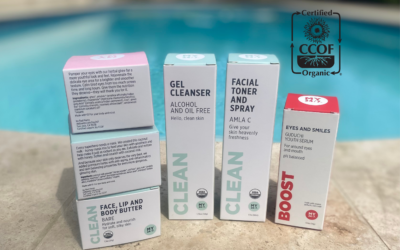
Red Pantz marks five years as a fully USDA-certified organic skincare line with CCOF
read more

Blog
MY24/7 by Red Pantz is the first skincare line certified by CCOF to carry USDA organic certification across its entire product portfolio.
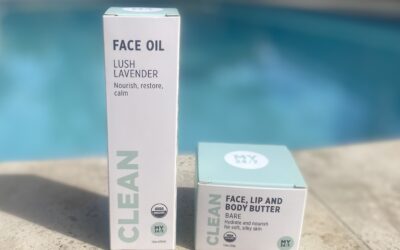
MY24/7 by Red Pantz products – organic BARE face, lip, and body butter and organic LUSH LAVENDER face oil – have been nominated for CertClean’s 2027 Clean Beauty Awards.

TEWL changes throughout the day and is influenced by your skin’s circadian rhythm, environment, and individual constitution.

One day your skin feels healthy and balanced. The next, it is dry, itchy, red, irritated, or suddenly sensitive to products you have used for months. If you have eczema,...

Introducing the Organic Skincare Hub, your one-stop educational destination for organic skincare topics rooted in Ayurveda and supported by modern skin science.

We talk a lot about the rhythm of our days and bio-hacking it with Ayurveda. In this post, we venture into another form of wellness: estate planning. As an estate planning...
A consistent daily routine supports mental health, circadian rhythm, and nervous system regulation. Research shows that predictable rhythms for sleep, meals, and movement can improve mood, reduce stress, and help the body function more efficiently.

A somatic reset is a simple way to calm the nervous system and bring the body out of stress mode. With just a few minutes and a few small movements, techniques like orienting, pandiculation, and grounding can help signal safety to the brain and restore focus and balance.

EFT tapping (Emotional Freedom Technique) is a mind-body practice that combines gentle tapping on acupressure points with verbal affirmations. It is used to help regulate stress responses, reduce anxiety, and shift emotional patterns by engaging both cognitive reframing and somatic stimulation.