
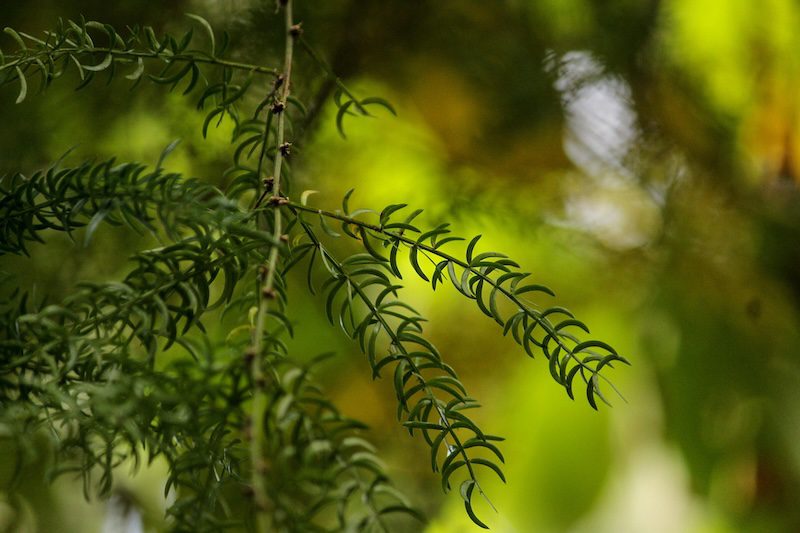
Shatavari, or Asparagus racemosus, is one of those Ayurvedic herbs that hasn’t received a lot of attention in modern health discussions yet, but we believe it’s just a matter of time before its popularity starts to rise.
What is shatavari?
It’s a climbing plant of the Liliaceae family, growing throughout India with a special abundance in northern regions. There are two types of shatavari. The larger variety is called mahashatavari. The medicinal part used in Ayurveda is the root and tuber, especially from the larger variety.
Although mainly known as a (fe)male tonic and rasayana (loosely translated as rejuvenative herb), it brings a variety of benefits to men and women alike beyond reproductive system support—it also supports the immune and endocrine (hormonal) functions, nervous resilience, as well as the circulatory, respiratory, and digestive processes in both women and men. For this reason, it’s also linked to the eyes, stomach, liver, gallbladder, and heart.
An Ayurvedic perspective
Ayurvedically speaking, it balances vata and pitta doshas, but can increase kapha if taken in excess. While it works to support all 7 Ayurvedic tissues, it has a special action on the reproductive system. With heavy and cold qualities, and a sweet and bitter taste, this herb has a cooling energy and a sweet post-digestive effect on the body.
This combination makes this herb nutritive, rejuvenative, demulcent, and digestive, making it fundamentally nourishing, soothing, and regenerative—especially for tissues that are depleted, dry, or inflamed.
Ancient Ayurvedic text notes the use of shatavari for debility of the female organs, sexual debility generally, infertility, impotence, cancer (gulma), herpes, leucorrhea, chronic fevers, eye tonic, tuberculosis. It’s also used as a brain tonic, and for epilepsy, syncope, loss of appetite, inflammation, colic, chronic colitis and hemorrhoids. But its touted benefits don’t stop there. As a friend to your respiratory system, it’s said to be anti-tussive and anti-asthmatic.
Shatavari (Asparagus racemosus) is traditionally used in Ayurvedic medicine to support hormonal balance, reproductive health, digestive health, immune function, and nervous system resilience. Share on XNow, let’s take a look at what modern research says about this ancient medicinal herb.
Shatavari: medicinal qualities supported by modern science
1. Hormone balance and reproductive support
Ayurveda places this herb at the heart of women’s hormonal health from puberty through pre-menopause and beyond. Traditionally it is used for:
- PMS and menstrual irregularities
- menopausal discomfort
- infertility and decreased libido
- supporting breast milk production
A randomized, double-blind study found that oral shatavari root extract significantly improved perimenopausal symptoms including somatic, psychological, and urogenital complaints compared with placebo, indicating a role in hormone regulation.
Another randomized controlled trial showed that shatavari supplementation increased breast milk volume and maternal satisfaction postpartum compared with placebo, supporting its traditional use as a galactagogue.
These studies are early but promising—aligning ancient Ayurvedic use with modern clinical evidence.
2. Immune function and recovery support
This herb has been described in Ayurveda as strengthening after chronic illness and fever. Modern pharmacological reviews report that its phytochemicals—including steroidal saponins, flavonoids, and polyphenols—contribute to antioxidant, adaptogenic, and immunomodulatory actions.
While human immune trials are limited, animal models and integrative reviews support its ability to regulate inflammatory responses and aid in tissue repair, fitting Ayurveda’s description of it as a rasayana (rejuvenative tonic).
3. Digestive soothing and gut support
With its cooling, mucilaginous profile, shatavari is traditionally used in:
- chronic acidity and heartburn
- ulcerative colitis
- colic
- hemorrhoids
Its demulcent effects help coat irritated tissues, which is consistent with both Ayurvedic descriptions and modern pharmacological profiles of mucilage-rich herbs.
Although more human clinical studies are needed, review articles note gastroprotective and anti-inflammatory activity in preclinical research supporting its traditional use.
4. Nervous system nourishment
Ayurveda identifies it as a nervine tonic, useful in conditions of exhaustion, stress, and fainting (syncope). While large clinical trials in humans are limited, review evidence highlights adaptogenic and antioxidant constituents that support nervous system resilience, aligning with its traditional use for calming vata and nourishing the nervous tissues.
5. Phytoestrogens and broader metabolic benefits
This ancient herb contains steroidal saponins (shatavarins) and phytoestrogenic compounds, which research suggests may interact with estrogen receptors in vitro, supporting its use in hormone-related contexts.
Additional studies in postmenopausal women have suggested improvements in muscle strength and molecular markers of muscle adaptation, hinting at metabolic effects linked to hormonal support.
6. Anticancer and cytoprotective potential
Emerging pharmacological research suggests that shatavari may have anticancer activity through several cellular mechanisms. Preclinical research has shown that steroidal saponins such as shatavarin IV can inhibit proliferation and reduce tumor growth in experimental cancer models, with tumor-bearing mice showing significant reductions in tumor volume and viable tumor cell counts after treatment.
Additional in-vitro research found that it extracts reduced viability of aggressive triple-negative breast cancer cells (MDA-MB-231) by inducing apoptosis and causing cell-cycle arrest.
Another laboratory study reported that shatavarin IV inhibited proliferation and migration of gastric cancer cells while promoting programmed cell death.
Although these findings are primarily from cell and animal studies, they highlight the growing scientific interest in shatavari’s bioactive compounds in cancer research.
7. Anti-asthma and airway inflammation support
Traditional Ayurvedic texts describe shatavari as helpful for respiratory irritation and chronic cough. Modern experimental research supports this possibility. In an animal model of allergic asthma, a saponin-rich asparagus extract significantly reduced airway inflammation, immune-cell infiltration, and asthma-related cytokines such as IL-4 and IL-13, while improving bronchial tissue structure.
Another study using fermented asparagus root extract in an ovalbumin-induced asthma model found reduced eosinophils, macrophages, IgE levels, and airway remodeling markers, suggesting potential anti-asthmatic and anti-inflammatory effects.
Traditional preparations and dosage
Ayurvedic texts describe multiple ways to use shatavari:
- powdered root (churna): 250 mg – 1 g
- decoction or milk decoction (60–100 ml)
- medicated ghee or oil
- herbal paste
It is often taken with warm milk to enhance its nourishing and tissue-building effects. However, before you stock up on shatavari, it’s always advisable to work with a qualified Ayurvedic medicine practitioner to tailor the protocol to your specific situation.
Precautions and considerations
Shatavari is cooling and moistening. Use cautiously or reduce dose if there’s:
- high ama (toxicity)
- excessive mucus
- kapha-dominant congestion
Pregnancy, breastfeeding, and clinical conditions should be supervised by a qualified practitioner, especially when hormonal effects are a concern. For example, avoid using it with fibroids or endometriosis.
Otherwise, it combines well with manjishta for pitta pacifying and ashwagandha for low libido.
Why this herb matters today
In a world where stress, hormonal imbalance, and chronic low-grade inflammation are common, shatavari offers:
- deep nourishment rather than stimulation
- support for endocrine and immune functions
- traditional wisdom backed by emerging clinical evidence
Final thoughts
If tulsi is your protector, guduchi your immune enhancer, and manjistha your blood purifier, then shatavari is your deep nourisher. And as science catches up with Ayurveda, it is finally finding its place in both traditional and evidence-based health and wellness.
Interested in this herb? Our MY24/7 USDA-certified organic Wellness tea is a blend of synergistic herbs, including shatavari. Learn more about the ingredients here.
Key takeaways
Shatavari (Asparagus racemosus) is a traditional Ayurvedic medicinal herb used primarily for hormonal, reproductive, and immune support.
Ayurvedic texts describe it as a rasayana, meaning a rejuvenative herb that nourishes tissues and supports longevity.
Modern research suggests shatavari contains steroidal saponins, flavonoids, and polyphenols with antioxidant, adaptogenic, and anti-inflammatory properties.
Clinical studies suggest benefits for menopausal symptoms and breast milk production, while preclinical research indicates potential effects on immune function, digestion, and inflammation.
In Ayurveda, it is considered especially supportive for vata and pitta balance while nourishing reproductive tissues.

Frequently asked questions about shatavari
What is shatavari used for?
Shatavari (Asparagus racemosus) is traditionally used in Ayurvedic medicine to support hormonal balance, reproductive health, digestive health, immune function, and nervous system resilience. It is especially known as a nourishing tonic for reproductive tissues and hormonal health.
Modern research suggests that its bioactive compounds may have antioxidant, adaptogenic, and anti-inflammatory effects.
Is shatavari only for women? Can men take shatavari?
Although shatavari is widely known for supporting women’s reproductive health, it can benefit men as well. Ayurvedic texts describe it as a rejuvenative herb that supports vitality, immune function, digestion, and nervous system resilience in both men and women.
What are the main health benefits of shatavari?
Traditional Ayurvedic use and emerging research suggest that shatavari may support:
hormonal balance
reproductive health
immune system regulation
digestive health
nervous system resilience
respiratory health
Much of the modern research is still emerging, but findings are consistent with its long-standing use in Ayurvedic medicine.
Does shatavari affect hormones?
Shatavari contains plant compounds known as steroidal saponins and phytoestrogens, which research suggests may interact with estrogen receptors and influence hormonal balance.
Clinical research has found improvements in certain menopausal symptoms and increased breast milk production in postpartum women taking shatavari supplements.
Is shatavari supported by scientific research?
Yes, although research is still developing. Studies have examined shatavari’s potential effects on menopausal symptoms, lactation support, immune modulation, digestive health, and anti-inflammatory activity.
Much of the evidence comes from laboratory and animal research, but early clinical trials are beginning to support some traditional uses described in Ayurvedic texts.
How is shatavari traditionally taken?
In Ayurveda, shatavari is commonly prepared as powdered root (churna), decoctions, medicated ghee, or herbal pastes. It is often consumed with warm milk or other herbal formulations to enhance its nourishing and rejuvenative effects.
The appropriate preparation and dosage can vary depending on the individual and should ideally be guided by a qualified Ayurvedic practitioner.
Are there any precautions or side effects when taking shatavari?
Shatavari is generally considered safe when used appropriately, but its cooling and moistening qualities may aggravate conditions associated with excess kapha, such as mucus congestion.
Individuals with hormone-sensitive conditions or specific medical concerns should consult a qualified healthcare practitioner before using shatavari.
Sources and research
This article references findings from clinical trials, pharmacological reviews, and preclinical studies examining the bioactive compounds and therapeutic potential of Asparagus racemosus (shatavari). Research has explored its potential effects on menopausal symptoms, lactation support, immune modulation, digestive health, and inflammatory pathways.
Guidance in this article also reflects traditional Ayurvedic knowledge described in classical herbal texts and modern integrative medicine literature.
Entities
Shatavari
Asparagus racemosus
Ayurveda
Rasayana
Dosha
Vata
Pitta
Kapha
Ashwagandha
Manjistha
- Red Pantz
Image by bobanmk, Pixabay
Disclaimer: this blog is not intended as medical advice. Consult your physician before taking any herbal supplements especially if you have any health conditions.
0 Comments