
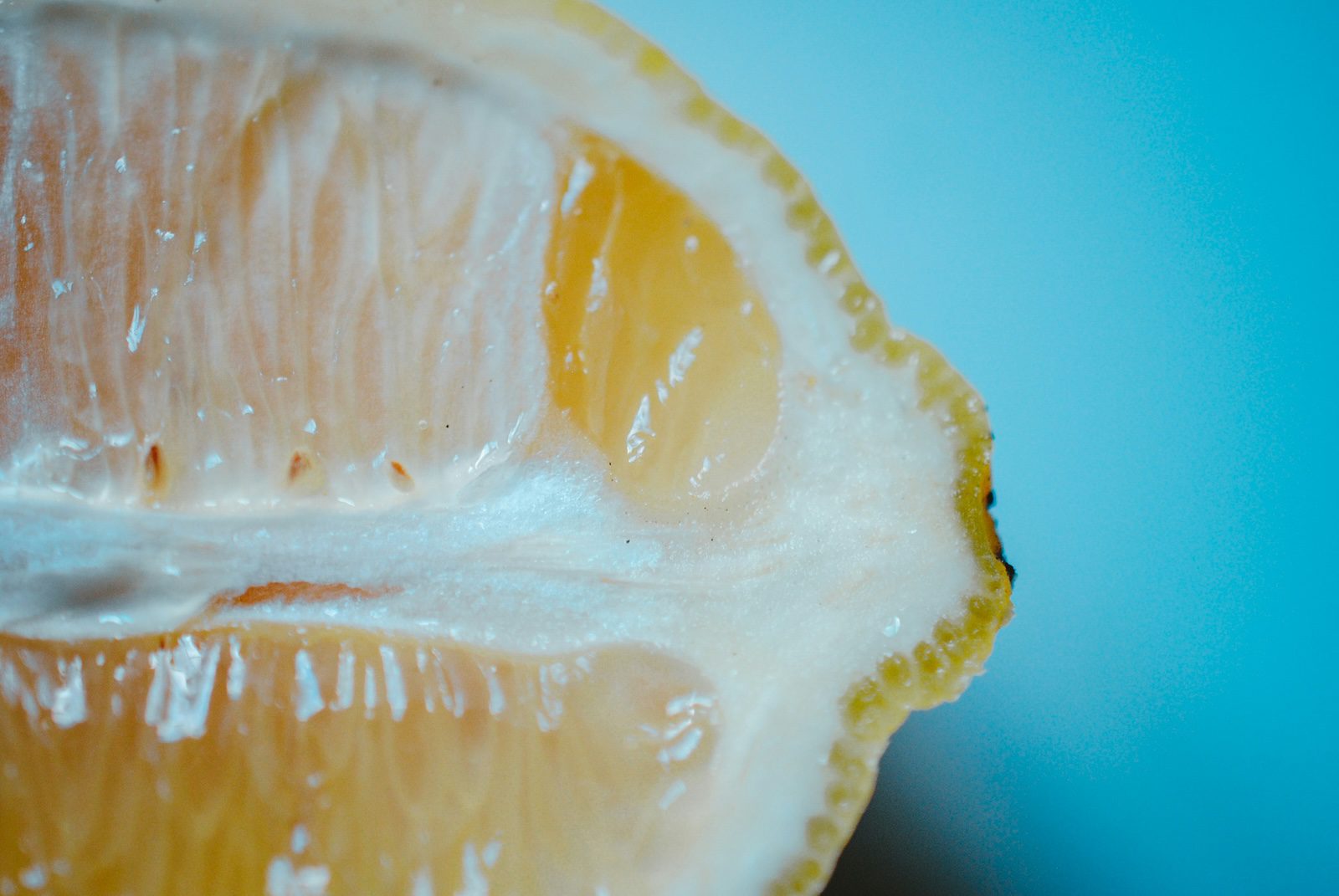
What are the best foods for vata and why should you care? When the weather turns cold, dry and windy; vata dosha, the lightest, airy element of the 3 doshas in ayurveda increases all around us—and inside us. In order to stay balanced, this ancient nature-based medicine advises us to follow a vata-pacifying approach to how we eat, live, breathe and move. We talked about some general recommendations before. We also shared some yoga poses and exercises to help calm vata dosha. In this chapter of our all about vata blog series, let’s dive into specific foods that help pacify vata.
The name of the game is warm, oily and nourishing. Soups and stews are particularly beneficial during vata season, along with foods that have a warming effect on the body. Even tastes have doshic effects. For imbalanced vata or people with a primary vata constitution, naturally sweet, sour and salty tastes are best.
Sure, it can get overwhelming to know what to get at the grocery store. With all kinds of fruits and vegetables available pretty much all year round, we’re no longer limited to a seasonal selection. As a rule of thumb though, it’s best to buy foods that are in season.
Previously, we published a warming food list, and in this blog, we’re going to take this list one step further and highlight some vata-pacifying foods—from fruits to grains. So, what are some foods for vata?
Foods for vata
Fruits
Avocado, banana (sweet), coconut, date, fig (ripe), grape (purple), grapefruit, Juniper berry, lemon, lime, mango, orange, papaya, peach, pineapple, raisin, sweet plum, tangerine
Vegetables
Beet, carrot, cucumber, hyssop, kelp, lentil (black, red), mung bean, onion, radish, watercress, zucchini (OK in moderation)
Herbs and spices
Allspice, aloe, angelica, anise seed, arnica, basil, bay leaf, black pepper, cardamom, caraway, cayenne, celery seed, cinnamon, clove, cumin, eucalyptus, fennel, fenugreek (in moderation), frankincense, garlic, ginger, licorice, marjoram, mustard seed, nutmeg, oregano, paprika, parsley, rosehips, rosemary, sage, salt, sesame seed, tarragon, thyme, turmeric (in moderation)
Grains
Oats (cooked), rice (basmati, brown), rice (white polished – in small quantities), quinoa, wheat
Oils
Avocado, almond, canola, castor, safflower, sunflower, sesame, white mustard
Nuts and seeds
Almond, cashew, chia, flaxseed, peanut, poppy, pumpkin (in moderation), sunflower, walnut
For meat and dairy lovers
If you eat meat, beef and fish are the best options for vata, while chicken is moderately ok. However, don’t go overboard with the beef and fish as they both increase pitta and kapha.
If you’re looking for dairy options, unsalted butter, ghee, cow’s milk, yogurt, eggs and unsalted cheese (just not together) are ok to eat. If you opt for yogurt, you really don’t need much – 2 healthy tablespoons of sugar-free, plain, fruit-free yogurt scoops will do the trick. Add a bit of raw honey and eat it between 10AM and 2PM during the digestive part of the day to help digestion. A word of caution: if you’re having sinus, congestion or cold-related symptoms, lay down the yogurt and dairy in general.
Final word of caution
In general, ayurveda recommends consuming cooked foods to aid the digestive process. Especially this time of the year, it’s important to prioritize cooked foods. Vata likes cooked foods.
While this is a general, non-exhaustive list, it’s always advisable to talk to an ayurvedic health professional to assess your individual situation so you can get personalized diet recommendations based on your imbalances and the specific quality of vata dosha that may be out of balance. This list is merely for high-level educational purposes.
Happy cooking!
Feeling inspired? Try our USDA-certified organic Warming tea with premium organic ginger, rosemary, lemon peel and basil. People love this as a tea as well as food seasoning

Key takeaways
Vata dosha is associated with the air and ether elements and tends to increase in cold, dry, and windy conditions.
Foods for vata are warm, cooked, oily, and nourishing.
Sweet, sour, and salty tastes are considered the most balancing flavors for vata in Ayurvedic nutrition.
Soups, stews, cooked grains, and warming spices are commonly recommended during periods of elevated vata.
Seasonal foods may help support balance because they naturally align with environmental conditions.
Ayurveda generally recommends cooked foods over raw foods to support digestion, particularly when vata is elevated.
Individual dietary needs may vary, so consulting an Ayurvedic practitioner can help tailor food choices to personal constitution and imbalances.
Frequently asked questions about foods for vata
What foods help balance vata dosha?
Ayurvedic nutrition often recommends foods that are warm, moist, and nourishing to balance vata. Foods for vata include cooked grains such as rice and oats, warming soups and stews, root vegetables, and healthy oils like sesame or avocado oil.
Foods with sweet, sour, and salty tastes are traditionally considered most supportive for calming excess vata.
Why are warm foods recommended for vata?
Vata is associated with cold, dry, and light qualities. Warm, cooked foods help counterbalance these characteristics by providing moisture, warmth, and grounding energy that may support digestion and stability.
This is why soups, stews, and cooked grains are commonly recommended during colder seasons and are typical foods for vata.
Are raw foods good for vata?
Raw foods can sometimes aggravate vata because they are typically cold, dry, and harder to digest. Ayurveda often recommends cooked vegetables and warm meals to make digestion easier and more supportive of balance.
However, dietary needs vary depending on an individual’s constitution and health condition. Always consult a qualified practitioner if foods for vata are right for you given your specific circumstances.
Which tastes balance vata in Ayurveda?
Ayurvedic dietary guidelines suggest that the sweet, sour, and salty tastes are most balancing for vata dosha.
These tastes are believed to provide grounding and nourishing qualities that help counteract the dryness and lightness associated with excess vata. Foods for vata favor these tastes.
Are spices helpful for balancing vata?
Many warming spices are traditionally recommended to support digestion and circulation when vata is elevated. Therefore, spices, such as ginger, cinnamon, cumin, cardamom, fennel, and black pepper, are often added to foods for vata.
These spices are commonly used in Ayurvedic cooking to help stimulate digestive fire while adding warmth to meals.
Do seasonal foods matter in Ayurveda?
Ayurveda often encourages eating foods that are in season because they naturally align with environmental conditions.
During colder months, seasonal produce and warming meals may help the body adapt to the dry and windy qualities that increase vata.
Should someone follow a strict vata diet?
Ayurvedic dietary guidelines are typically personalized. While general food lists can offer helpful guidance, an Ayurvedic practitioner may assess an individual’s constitution, lifestyle, and current imbalances to recommend a more tailored diet. Consult a qualified practitioner to find out if foods for vata are the best for you at this time.
Entities
Ayurveda
Dosha
Vata
Pitta
Kapha
Ghee
Basmati rice
Quinoa
Oats
Sesame oil
Ginger
Cinnamon
Turmeric
- Foods for vata
Red Pantz
Image by Nik, Unsplash
0 Comments